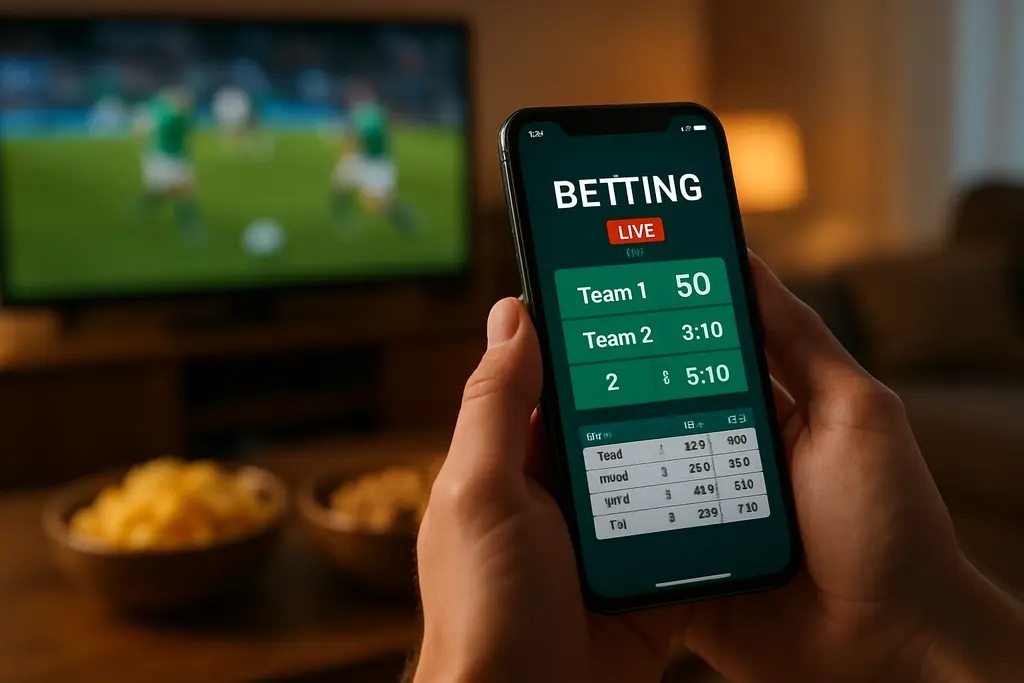

The Kalshi Lawsuit in New York puts prediction markets under a sharper consumer-protection lens, especially where sports-event contracts begin to resemble live sports betting. New York alleges that Kalshi is operating as an illegal, unlicensed gambling business, while Kalshi argues that it is federally licensed and should be overseen by the U.S. Commodity Futures Trading Commission rather than individual states. That clash matters because the user experience can look simple on the surface: pick an outcome, pay a price, and receive a defined return if the contract settles in your favor. The legal classification behind that interaction is far less settled.
For bettors, the practical question is not whether one label sounds more modern than another. It is whether the platform is licensed in the user’s state, what rules protect customer funds, how disputes are handled, and whether the product is being offered in a way state regulators permit. Sportsbooks, casinos, and betting apps are usually judged by state licensing, responsible-gaming controls, payment checks, and advertising limits. Prediction markets now face a similar test when sports contracts are offered to retail users.
Why The Kalshi Lawsuit Matters In New York
Kalshi Lawsuit Claims And Requested Penalties
New York filed its case on July 31, 2026, alleging Kalshi operates an “illegal, unlicensed gambling operation” and seeking to stop the company’s activity in the state, recover profits, and pursue penalties that could potentially total $36 billion, according to an AP report. The size of the requested penalties signals that the state is treating the issue as more than a technical licensing dispute. From a consumer standpoint, that matters because enforcement actions often decide whether users get access to formal complaint paths, withdrawal rules, and responsible-gaming protections that apply to regulated betting operators.
The Kalshi Lawsuit also lands in a state with a large regulated sports betting market. That makes the boundary between exchange-style contracts and sportsbook wagers highly sensitive. If two platforms let users take financial positions on similar sports outcomes, but only one is licensed under state gambling law, regulators may ask whether consumers are receiving equal safeguards. That does not answer the legal question by itself, but it explains why state officials are pressing the issue.
Federal Oversight Versus State Gambling Law
Kalshi’s position, as described in the same AP report, is that federal CFTC regulation should control its market activity, not a state-by-state gambling framework. New York’s response is that sports-related contracts can fall within state gambling enforcement when offered to residents. This is the central tension: prediction markets may be structured as event contracts, but sports outcomes have long been the subject of gambling regulation.
For app users, the safest reading is jurisdiction-cautious. A platform being available online does not mean it is lawful in every state. A product may be paused, restricted, or challenged after launch. Anyone comparing sports betting apps with prediction-market apps should check current state availability, age requirements, account verification standards, and withdrawal rules before depositing funds. If any of those points are unclear, that lack of clarity is itself a consumer risk.
Sports Contracts And Live Betting Boundaries
Why Speed And In-Play Markets Raise Risk
Live sports betting is built around fast price changes, in-game information, and short decision windows. Prediction markets that list sports-related contracts can create similar pressures if users trade while games or events are unfolding. That does not mean every contract is legally identical to a sportsbook wager, but it does mean the risk profile can feel familiar: rapid pricing, emotional decisions, and the possibility of losses accumulating quickly.
The Kalshi Lawsuit may influence how regulators evaluate those similarities. In a regulated sportsbook, the operator is typically subject to state rules on geolocation, identity verification, self-exclusion, advertising, and account limits. If a prediction market offers sports exposure without the same state-facing controls, regulators may view that as a gap. Readers comparing this case with standard sportsbook operations may find it useful to review our coverage of responsible gaming and compliance, since the same consumer safeguards are likely to be part of future policy debates.
Market Scale Makes The Dispute Hard To Ignore
New York Attorney General Letitia James joined a bipartisan group of 37 attorneys general in April 2026 supporting Massachusetts in litigation against Kalshi, and that office said Kalshi reported more than $1 billion in monthly bets in 2025, with 90% related to sports betting, according to the New York attorney general release. Those figures, as presented by the attorney general, show why state officials are not treating sports prediction markets as a niche product.
Scale changes the consumer-protection equation. A small experimental market may raise limited exposure. A platform handling heavy sports volume can affect large numbers of retail users, especially during major events. New York’s own sports betting activity has already shown how major events can stress platform systems and pricing models; our piece on New York betting volume covers that operational pressure in a regulated sports context. Prediction markets may face similar scrutiny if traffic spikes around games and users expect sportsbook-like uptime, settlement speed, and cash-out reliability.
What Consumers Should Check Before Using Prediction Markets

Licensing, Terms, And Withdrawal Rules
The Kalshi Lawsuit is not a final ruling on the future of all prediction markets, but it is a clear warning that availability and legality can change. Consumers should not rely on marketing language alone. Before using any platform tied to sports outcomes, check whether the operator explains who regulates the product, which states are restricted, what identification is required, how funds are held, and how complaints are handled.
Terms also deserve close review. Contract settlement rules should explain the data source, settlement timing, cancellation policy, and what happens if a game is postponed or disputed. Payment pages should disclose deposit methods, withdrawal limits, processing times, and any fees. If bonus-style promotions appear, users should look for eligibility, expiration, wagering or trading requirements, and withdrawal restrictions. If those terms are not posted clearly, the offer should be treated with caution rather than enthusiasm.
- Confirm whether the platform says your state is eligible before funding an account.
- Read the contract settlement rule before entering any sports-related market.
- Check whether self-exclusion, deposit limits, and cooling-off tools are available.
- Keep records of deposits, withdrawals, market entries, and customer-support messages.
- Avoid using credit or borrowed funds for any betting-like product.
How To Compare Prediction Markets With Sportsbooks
A licensed sportsbook and a prediction market may present different legal structures, but consumers can still compare basic trust signals. Does the platform identify its regulator? Does it publish responsible-gaming resources? Are odds, prices, or contract costs displayed before confirmation? Can users see fees before placing an order? Are withdrawals handled through clear account controls rather than manual requests?
The Kalshi Lawsuit could push more platforms to clarify these areas. That would be useful for users, regardless of where courts eventually draw the line between event contracts and gambling products. Better disclosures help consumers understand risk before they commit funds. Poor disclosures do the opposite, especially during live sports windows when quick decisions can override careful reading.
New York Prediction Market Rules To Watch
The next phase is likely to focus on whether state gambling laws can restrict sports-related prediction contracts despite federal market oversight claims. A ruling favoring New York could encourage more state enforcement against similar products. A ruling favoring Kalshi could pressure lawmakers and regulators to define a clearer split between commodities-style event contracts and state-licensed sports betting.
For now, users should treat sports prediction markets as legally contested products rather than sportsbook substitutes. The Kalshi Lawsuit shows that state officials are willing to challenge platforms they believe bypass local gambling rules. Until courts or lawmakers provide firmer direction, the most careful approach is to verify legality, read terms closely, use account limits where available, and avoid any platform that makes access, settlement, or withdrawal rules hard to understand.