Virtual Gaming Worlds is retiring LuckyLand Slots after approximately eight years of operation, bringing one of North America’s most recognizable social-casino platforms to a staged close.
The shutdown began on August 3, 2026, when Gold Coin purchases ended. Existing gameplay is scheduled to stop on August 24, followed by the complete closure of the platform and the end of Sweeps Coin redemptions on September 14.
The decision does not mean VGW is abandoning the LuckyLand name or leaving the North American social-gaming market. Chumba Casino, Global Poker and the newer LuckyLand Casino remain in operation. That distinction is critical because LuckyLand Slots and LuckyLand Casino are separate VGW platforms despite their similar names.
VGW has described the closure as a decision to shift attention and resources to other products. The company has not released a detailed financial explanation or attributed the shutdown to one specific law, lawsuit or regulatory action.
The available evidence instead points to a broader platform-consolidation strategy. VGW launched a more expansive LuckyLand Casino product in December 2025, while the sweepstakes-casino model continued to encounter state bans, enforcement actions and increasing compliance costs across the United States.
LuckyLand Slots Is Closing In Three Stages
VGW announced the closure on July 28, 2026, and structured it around three separate customer deadlines rather than immediately disabling every account function.
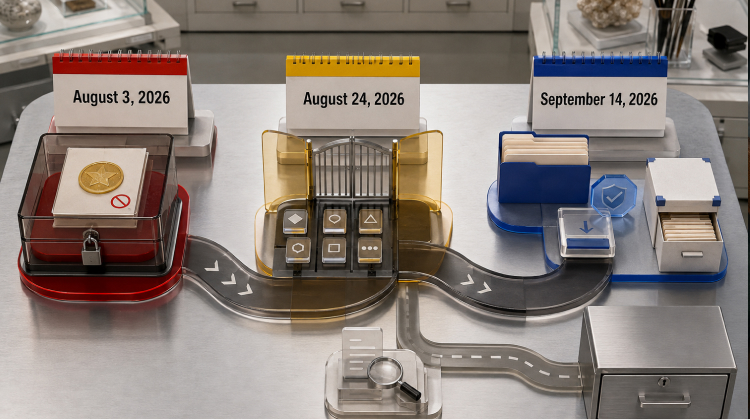
| Closure Stage | Date | Effect On Users |
|---|---|---|
| Gold Coin sales end | August 3, 2026 | Users can no longer purchase additional Gold Coin packages |
| Gameplay ends | August 24, 2026 | Existing coins can no longer be used for games |
| Platform and redemptions close | September 14, 2026 | LuckyLand Slots closes and remaining eligible Sweeps Coin redemptions end |
The sequence gives users time to review their balances and submit eligible redemption requests before the platform disappears. It also allows VGW to reduce new transaction activity before closing games and processing the final account requests.
The most important deadline for customers is September 14. Users with eligible Sweeps Coins should consult the notices inside their accounts and the applicable LuckyLand Slots terms rather than relying on screenshots, social-media posts or information for the separate LuckyLand Casino platform.
Redemption eligibility remains subject to the platform’s rules, including identity checks, account verification and minimum redemption requirements. The shutdown does not remove those controls or guarantee that every visible virtual-currency balance can be exchanged for a prize.
Users should also retain copies of relevant transaction histories, redemption confirmations and communications. Those records may be useful if an account request remains pending as the final closure date approaches.
LuckyLand Casino Is Not LuckyLand Slots
The largest source of confusion surrounding the announcement is the existence of two VGW products with nearly identical names.
LuckyLand Slots was the older, slots-focused social casino being retired. LuckyLand Casino is a newer platform that VGW launched in December 2025 with slot-style games, table-game content and social live-casino experiences.
VGW’s official LuckyLand Casino launch announcement described the newer site as a broader social-gaming product. Its launch created an overlap with LuckyLand Slots in branding, audience and game categories, even though the two platforms maintained separate systems and terms.
That overlap makes product consolidation a plausible strategic reason for the closure. Maintaining two LuckyLand properties requires separate technology, compliance documentation, customer support, marketing, payment processing and account-management operations.
Retiring the older site could allow VGW to direct development resources toward the newer platform without supporting two closely related customer journeys. However, VGW has not published a detailed breakdown of the costs, revenue or user migration behind its decision.
Customers should not assume their LuckyLand Slots account, virtual currency or redemption history will automatically transfer to LuckyLand Casino. Unless VGW provides an account-specific migration mechanism, the two services should be treated as distinct platforms.
The difference also matters for search results and support requests. Information about LuckyLand Casino’s games, licensing statements or payment arrangements does not necessarily describe the retiring LuckyLand Slots platform.

VGW Says It Is Shifting Focus To Other Products
VGW’s explanation centers on reallocating attention to its remaining portfolio. Alongside LuckyLand Casino, that portfolio includes Chumba Casino, Global Poker and other social-game products.
This is not a companywide shutdown. Current reporting confirms that the closure affects LuckyLand Slots while VGW’s other named platforms continue operating.
The newer LuckyLand Casino offers a wider content mix than its predecessor. That makes it better positioned to serve users seeking more than a slots-only experience and gives VGW a current platform on which to develop interfaces, responsible-social-gameplay tools and new game categories.
From a product-management perspective, a newer system may also be easier to maintain than continually extending a platform launched approximately eight years earlier. Software architecture, payment integrations, identity verification, customer-support tools and mobile expectations have changed substantially over that period.
The GClubGod analysis of why casino UX creates a competitive edge examines a similar industry pattern: operators increasingly need unified game discovery, account controls and rewards systems rather than a collection of disconnected legacy experiences.
VGW has not said that LuckyLand Slots suffered a technical failure or that users abandoned it. The closure is better understood as a portfolio decision based on the company’s public explanation, the arrival of a closely related successor and the more difficult regulatory environment surrounding sweepstakes casinos.
State Sweepstakes Laws Have Narrowed The Market
Regulatory pressure provides essential context, even though it should not be presented as the sole confirmed cause of the closure.
Sweepstakes casinos generally use a dual-currency structure. Gold Coins are commonly used for free social gameplay, while Sweeps Coins can be used in promotional games and may be redeemable for prizes when eligibility and playthrough conditions are satisfied. Operators argue that free entry methods and sweepstakes rules distinguish this model from conventional real-money online casinos.
Regulators and lawmakers in several states have challenged that position. Critics argue that selling virtual-currency packages alongside prize-eligible promotional play can resemble unlicensed online gambling, particularly when the platforms offer casino-style games.
California, Connecticut, Montana, New Jersey and New York were among the states that enacted significant restrictions during the 2025 legislative cycle. Additional states have used existing gambling laws, cease-and-desist letters or new legislation to restrict or scrutinize similar platforms.
California’s Assembly Bill 831, for example, targeted online sweepstakes games that use a dual-currency system and simulate casino gambling. New York’s legislation likewise prohibited online sweepstakes games built around prize-convertible virtual currency.
Each lost state affects more than customer totals. A fragmented market requires operators to manage different eligibility rules, geolocation controls, promotional disclosures and customer exits across multiple jurisdictions.
State restrictions can also influence payment providers, game studios, media partners and other companies that support sweepstakes platforms. Even where a service remains available, the operator must assess whether future legislation could alter the commercial value of continuing to invest in an older product.
This regulatory environment makes consolidation rational, but it does not prove that a particular state ban forced VGW to close LuckyLand Slots nationwide. The company could have continued withdrawing from individual states, as sweepstakes operators have done before. Its decision to retire the entire platform indicates that product strategy and resource allocation also played substantial roles.
The Closure Reflects A Changing Social-Casino Market
LuckyLand Slots entered a market in which a relatively simple selection of casino-style games could attract users through mobile access and a dual-currency promotional system.
By 2026, the competitive requirements had expanded. Social-casino platforms increasingly compete through broader content libraries, live-game presentation, proprietary titles, streamlined payments, mobile usability and stronger account-management controls.
A slots-only legacy product can become harder to differentiate when the same company operates a newer platform under a nearly identical brand. Marketing both properties also risks confusing users about which account, rules and redemption system apply.
The launch of LuckyLand Casino seven months before the scheduled final closure gave VGW a newer destination within the same brand family. The timing supports the interpretation that VGW is reorganizing its portfolio rather than abandoning social gaming.
At the same time, operators can no longer treat regulatory availability as a fixed condition. State rules are changing quickly, and a platform that once reached most of the United States may face a much narrower addressable market after multiple withdrawals.
Social gaming is not regulated through one uniform North American framework. Eligibility can differ by state, province, product and virtual-currency model. Users should verify current platform terms for their location instead of assuming that past availability remains valid.
Customers Need To Prioritize Redemptions And Records
For LuckyLand Slots users, the strategic reasons behind the closure are less urgent than the account deadlines.
Gold Coin purchases have already ended, but gameplay remains scheduled to continue until August 24. The final redemption date is September 14, leaving a limited interval between the end of gameplay and the complete shutdown.
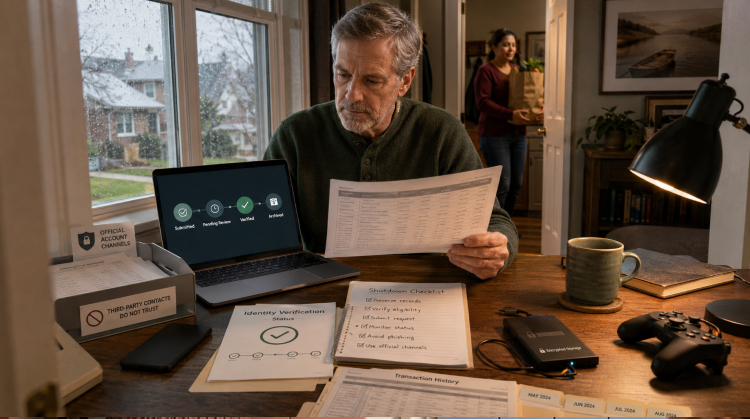
Users with Sweeps Coins should review whether their balance is eligible for redemption and whether identity or payment verification remains incomplete. Waiting until the final day could create avoidable problems if the platform requests additional documentation or a transaction needs manual review.
VGW’s existing verification requirements remain relevant throughout the wind-down. Customers should use only official account and support channels and should be cautious of messages claiming that balances must be moved through another casino, cryptocurrency wallet or third-party payment service.
A platform closure can create opportunities for phishing because users expect unusual account communications. Legitimate requests should originate through the platform’s established channels and should not require users to reveal passwords or authentication codes.
Customers should consider retaining:
- Account and virtual-currency balance records
- Redemption request confirmations
- Relevant transaction histories
- Identity-verification status notices
- Correspondence with official support
These records do not override the terms or establish that a redemption must be approved, but they provide a clearer history if questions remain after a request is submitted.
Users experiencing gambling-related harm can contact the National Council on Problem Gambling for confidential support resources in the United States. Platform closure deadlines should never be treated as a reason to continue playing or make rushed spending decisions.
What The Shutdown Means For VGW’s Remaining Brands
LuckyLand Slots’ departure will leave VGW with fewer overlapping platforms, but it will not remove the regulatory questions surrounding its remaining North American products.
LuckyLand Casino, Chumba Casino and Global Poker use their own product structures and terms. Their continued operation does not guarantee uninterrupted availability in every jurisdiction, especially as states continue evaluating dual-currency social gaming.
The closure may give VGW more resources to improve the remaining platforms, but the company has not announced specific investments tied to the wind-down. Any claims about customer migration, new features or expanded game libraries should therefore wait for direct confirmation.
The company will also need to demonstrate that its closure procedures are as carefully managed as its product launches. Clear notifications, accessible support and orderly redemptions will influence how users evaluate VGW’s other brands.
For the wider social-casino sector, the decision shows that scale and brand recognition do not make a platform immune to consolidation. An operator may retire a familiar product when it overlaps with a newer service, becomes more complicated to support or operates within a shrinking regulatory footprint.
VGW is closing LuckyLand Slots, not the entire LuckyLand brand. The best-supported explanation is a combination of portfolio consolidation, a shift toward newer products and mounting regulatory complexity—not one isolated ban or a complete withdrawal from North America.
The final test will be operational. LuckyLand Slots stops gameplay on August 24 and closes redemptions on September 14. How effectively VGW handles those deadlines will determine whether the eight-year platform ends with a controlled transition or leaves users uncertain about balances, records and the status of its similarly named successor.